
How 24/7 Answering Helps HVAC and Plumbing Companies
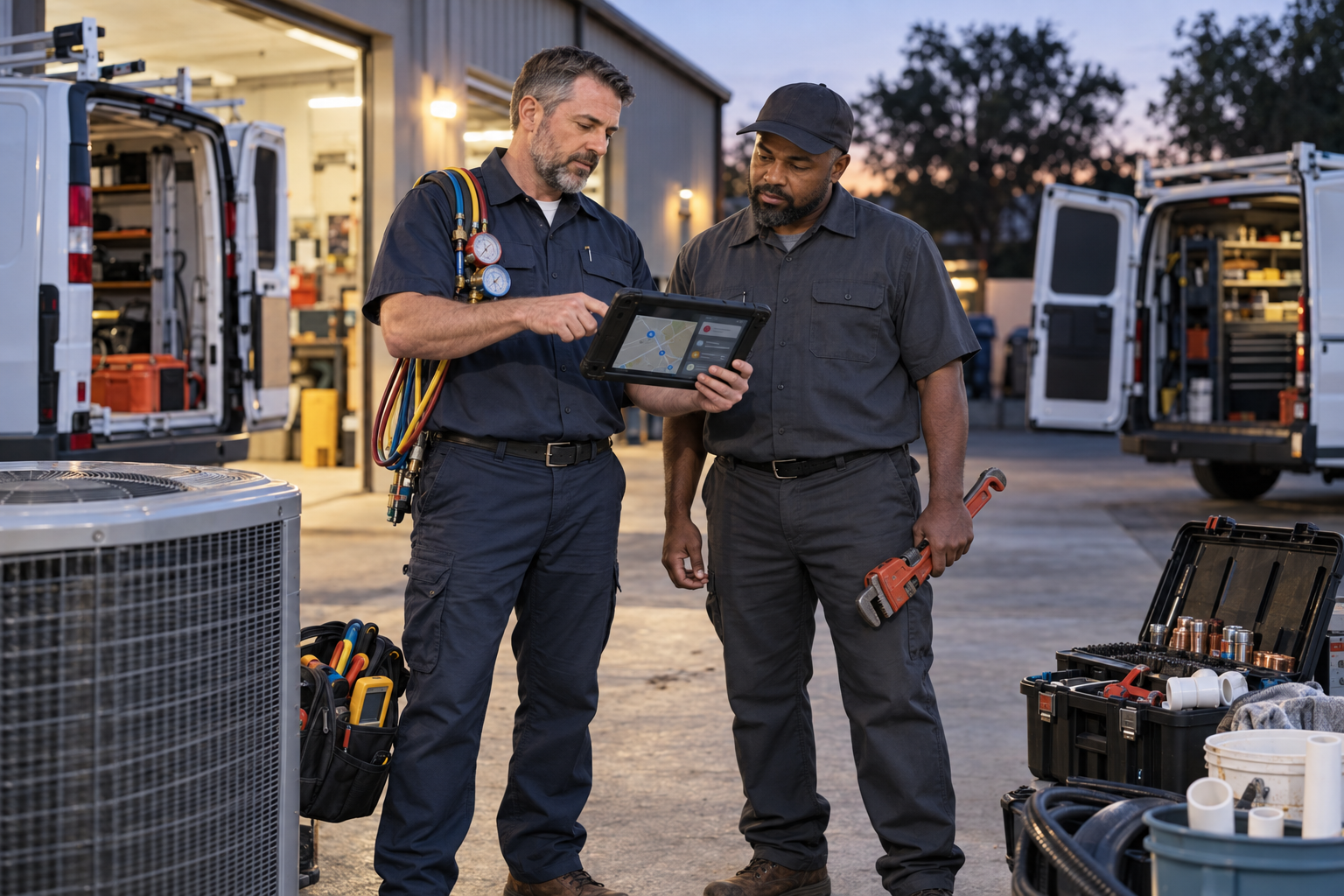
Heating, cooling, and plumbing problems do not follow ordinary office hours. Furnaces can stop during freezing weather, air-conditioning systems can fail on extremely hot days, and plumbing leaks may require attention before the next morning.
When customers call in these situations, they want to know that someone has received their request. A 24/7 answering service helps HVAC and plumbing companies remain accessible while technicians concentrate on completing their current jobs.
Professional Answering Service can answer calls using your customized instructions, collect the details your team needs, and notify on-call personnel according to your procedures.
Every Missed Call Could Be a Lost Service Opportunity
Customers experiencing a heating, cooling, or plumbing problem may contact several contractors until someone responds. Sending every after-hours caller directly to voicemail can allow a valuable service opportunity to move to a competitor.
A live operator gives the caller a real person to speak with. The operator can document the situation, explain the next step approved by your company, and deliver the request according to your protocol.
This provides a professional response without requiring a technician to personally answer every incoming call.
How HVAC and Plumbing Call Handling Works
Your answering-service procedures should reflect how your company operates. A typical service call may follow these steps:
A Live Operator Answers
The caller reaches a trained operator who uses your approved business greeting. Coverage can continue during evenings, weekends, holidays, busy periods, or whenever your regular office is unavailable.
Important Details Are Collected
The operator asks the questions established for your account and records the caller’s responses accurately.
Your Urgency Guidelines Are Followed
Your company defines which situations should be treated as urgent. Operators follow those instructions rather than independently diagnosing the equipment or plumbing problem.
The Request Is Delivered
Routine messages can be delivered for later follow-up. Calls meeting your emergency criteria can be transferred or escalated to the appropriate on-call employee.
Information Operators Can Collect
Complete information helps technicians prepare before returning a call or traveling to a property.
Depending on your instructions, an operator may collect:
The caller’s name and telephone number
The service address
Whether the caller is a new or existing customer
The type of heating, cooling, or plumbing issue
When the problem began
Whether water is actively leaking
Whether the property has lost heating or cooling
Equipment information provided by the caller
Property-access instructions
Tenant, homeowner, or property-manager information
The caller’s preferred appointment time
Safety information included in your script
Other details required by your company
Operators should provide only information approved by your business and should not attempt to diagnose a technical problem.
Separate Routine Requests From Urgent Calls
Not every after-hours call requires an immediate technician dispatch.
Routine requests may include:
Preventive-maintenance appointments
Estimates for planned work
Questions about an existing appointment
Non-urgent repair requests
Billing or office messages
Requests for service during normal hours
Potentially urgent requests may include situations your company has identified in advance, such as:
Loss of heating during dangerous cold
Loss of cooling during extreme heat
Active water leaks
Sewer backups
Equipment failures affecting a commercial property
Calls from priority customers
Requests covered by a service agreement
Situations requiring an on-call technician
Your company determines the exact criteria. The answering service then follows those instructions consistently.
Support On-Call Technicians Without Overloading Them
Technicians cannot safely and efficiently work on equipment while continually answering telephone calls.
An answering service creates a buffer between callers and the field team. Operators collect the initial information and contact the on-call technician only when the request meets your established criteria.
This helps technicians receive organized messages instead of repeated interruptions from routine questions, solicitations, and calls that can wait until the office reopens.
Depending on your account, messages may be delivered by telephone, text, email, or paging. An escalation list can identify who should be contacted if the first on-call employee is unavailable.
Handle Seasonal Call Surges
HVAC companies often experience sudden increases in calls during heat waves and freezing weather. Plumbing companies may encounter higher demand during freezes, storms, and other conditions that affect pipes and water systems.
Even a fully staffed office can become overwhelmed during these periods.
Overflow answering coverage helps capture calls when your employees are already assisting other customers. Operators can document each request so your team has an organized record to review instead of relying on incomplete voicemail messages.
This coverage can be used around the clock or only when your regular employees are unavailable.
Customize the Service Around Your Company
Every contractor has different service areas, schedules, priorities, and emergency policies.
Your account instructions can identify:
How operators should answer
Which questions they should ask
Your normal business hours
Your service area
Services your company provides
Situations your company considers urgent
Which calls should be transferred
Who is currently on call
The order of the escalation list
How routine messages should be delivered
What operators may tell callers
What callers should expect next
Instructions and on-call schedules can be updated as your staffing and procedures change.
Improve the Caller Experience
Customers calling about a failed air conditioner, broken furnace, or plumbing leak may already be frustrated.
A calm, professional operator can listen carefully, collect the necessary information, and explain the next step authorized by your company. Operators should never promise an arrival time or service outcome unless your procedures specifically permit it.
This combination of empathy and accurate expectation-setting helps protect the customer relationship while giving technicians the information they need.
Answering Service Versus Additional Office Staffing
Hiring employees for continuous nights, weekends, and holiday coverage involves recruiting, training, scheduling, workspace, equipment, payroll, and benefits.
An answering service supplies trained operators and the systems required to handle incoming calls. It does not replace every office position, but it can provide focused call coverage when maintaining an internal overnight reception team would not be practical.
Businesses should compare service features, pricing, and procedures to determine which approach fits their call volume and operating needs.
Choose an Answering Service That Understands Field Service
Before selecting a provider, ask about:
24/7 availability
U.S.-based live operators
Customized call scripts
Message-delivery methods
On-call schedule updates
Call transfers and forwarding
Overflow and after-hours coverage
Pricing and billing
Trial periods
Account support
The service should be flexible enough to follow your company’s procedures without making unauthorized promises to callers.
Keep Service Calls Moving Around the Clock
Professional Answering Service provides trained, U.S.-based operators who can answer HVAC and plumbing calls 24 hours a day.
We follow your customized instructions, collect accurate information, deliver routine messages, and notify on-call employees when a request meets your escalation criteria.
Keep your technicians focused and your callers connected—even when your regular office is closed.
Call 800-472-9780 or start your free seven-day trial today.